
The digital age has unlocked unprecedented opportunities in education, redefining how knowledge is shared and acquired. Online education platforms are at the forefront of this revolution, bridging the gap between accessibility and quality. As digital life becomes increasingly integrated into our daily routines, these platforms empower individuals to learn at their own pace, transforming education into an experience that adapts to the demands of a connected world.
Online education platforms have revolutionized the way we learn, making education more accessible, flexible, and diverse. From self-paced courses to live virtual classrooms, these platforms cater to a wide range of learners, bridging geographical gaps and transforming traditional education systems.
The Rise of Online Education Platforms

Digital era technology has paved the way to to e-learning. Shifting from brick and mortar institutions to digital alternatives such as Aakash institute has not only proved beneficial for students but it has increased ease on their learning process too, and that they can learn according to their own convenience. Services such as Coursera, Udemy, or edX have become worldwide leaders for courses from top universities and organizations.
Features of Online Education Platforms

1. Accessibility and Flexibility
The greatest benefit of online learning platforms is that they can provide people with professional education without immobilizing them or imposing limitations based on their location. This flexibility allows students to how do you make your essay look longer fit their education around work, family and other obligations.
2. Interactive Learning Experiences
A lot of the platforms have built in interactive tools such as quizzes, forums and live sessions. These characteristics make learning more efficient, precisely because they stimulate the learner to get involved together and apply repeatedly what has been taught.
3. Affordable Education
Depending on your pedagogic model, online platforms frequently provide a much less expensive alternative to traditional education. Free courses and some fee based financial aid make it accessible to anyone around the world.
The Best Online Education Platforms
1. Coursera
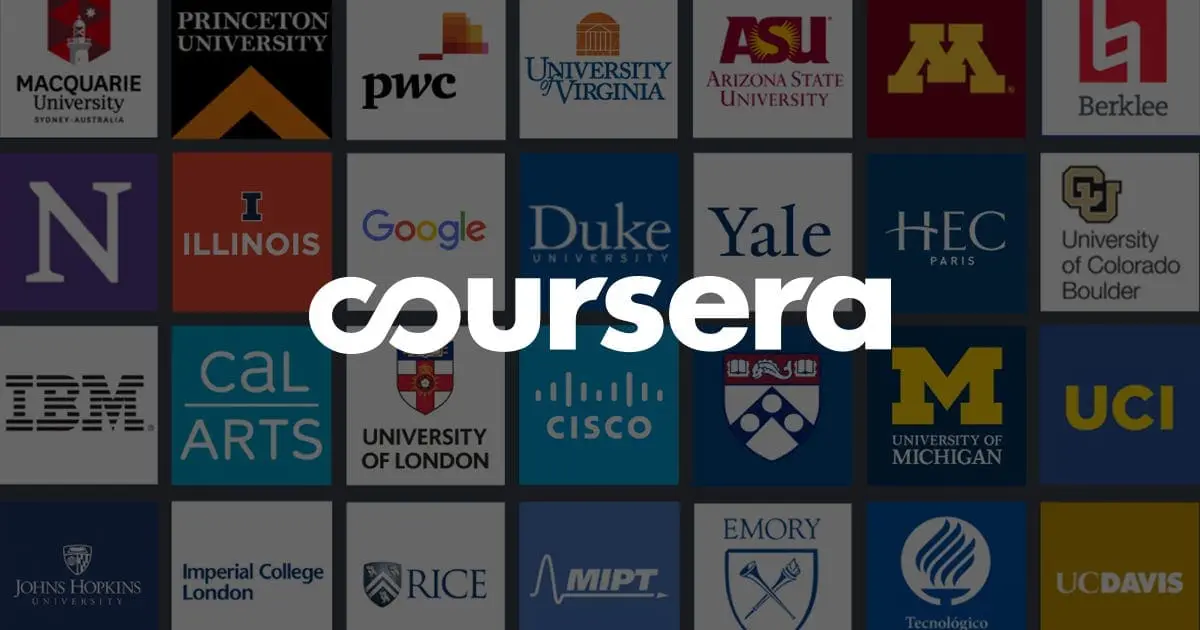
- Why it stands out: Coursera partners with elite universities such as Stanford and Yale to offer premium-level courses, degrees, certifications. It offers both scholarly rigor and professional utility so it’s digested easily for career use.
- Ideal for: Students who want accredited degrees and university-backed programs.
2. Udemy
- Why it stands out: Hosting more than 200,000 courses on a variety of subjects, Udemy is your go-to online platform for honing a new skill. Its pay-per-course structure is ideal for people who are looking to hone a specific skill and don’t want to be tied down with a subscription.
- Ideal for: Professionals and amateurs seeking to improve or learn.
3. edX
- Why it stands out: Part of the Harvard and MIT-founded edX, the site features university-level courses and professional certificates. Its MicroMasters programs are a pathway to advanced degrees.
- Ideal for: Students looking to study and work at prestigious schools.
These systems transform education and the education sector as they develop. Technology, Talent and Tolerance Online education platforms democratize access to knowledge and put users in the driver’s seat of their own lifelong learning. In a world where technological advances are ongoing, digital clearly is the future of education and the opportunities for learners worldwide are limitless!